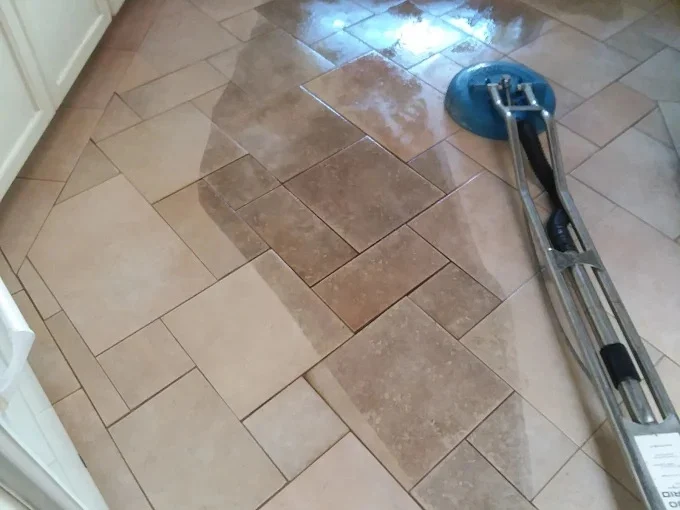
If your grout looks dirty no matter how often you clean and mop, you are not alone. Here is what causes grimy grout in South Florida homes and how to fix it for good.
Why Grout Gets Dirty Even When You Clean It
Grout keeps getting dirty because it is porous, and it soaks up soil, moisture and bacteria every time the floor is mopped. It is one of the most common complaints we hear from homeowners in Palm Beach County and Broward County.
The tile beside it may be glazed and easy to wipe, but the grout acts like a thin sponge between every tile. South Florida's humidity only makes that problem worse.
There are three main causes behind grout that refuses to stay clean. Each one has a clear fix, and once you understand them, the cycle of mopping and watching the lines darken again starts to make sense.
Cause 1: Humidity and Moisture Build-Up
South Florida's humidity creates the perfect environment for mildew and bacteria to grow deep in porous grout lines. Indoor air stays moist for much of the year, and bathrooms, kitchens and laundry rooms add even more water to the mix.
Ordinary mopping makes the problem worse. A mop picks up dirt from the tile, then pushes that dirty water straight into the grout pores. The grout soaks it up and dries a shade darker each time. Over a few months, that adds up to lines that look gray or brown even right after cleaning.
Sand tracked in from the beach and yard adds to it. Fine grit settles into the slightly recessed grout lines, and foot traffic grinds it in deeper.
The solution: a professional grout cleaning using heat, pressure and vacuum extraction. Our residential tile and grout cleaning pre-treats the grout with an emulsifier, then uses heated, high-pressure water to break the soil loose. The vacuum pulls the dirty water out of the pores instead of leaving it behind. After the cleaning, a clear penetrating sealer keeps moisture and future staining out.
Cause 2: Cleaning With the Wrong Products
Household cleaners with bleach or acid may be safe for your tiles, but they are not safe for the grout. These products eat away at the surface of the grout and cause premature breakdown. As the grout erodes, it becomes rougher and more absorbent, so it collects dirt even faster.
Some cleaners create the opposite problem. Products with oils, waxes or heavy fragrance leave a sticky residue behind. That film grabs dust and sand from every footstep, and the grout darkens under it.
The solution: use pH-neutral cleaners for regular maintenance, and rinse well so nothing is left on the floor. Then call a professional periodically for a deep clean and reseal. If acidic cleaners have already damaged the grout, cracked or crumbling sections can be addressed with grout and tile repair before the area is sealed.
Cause 3: Worn or Missing Grout Sealer
Grout sealer wears down over time, and when it is gone, your grout is left completely unprotected. Many homes were never sealed at all after installation, so the grout has been absorbing spills and mop water from day one.
Foot traffic, cleaning and moisture all wear sealer away. Entryways, kitchen work zones and the path from the pool door to the hallway lose protection first. Those are usually the areas where grout looks the darkest.
The solution: schedule professional resealing every year, especially in high-traffic areas. A quick test helps you decide: sprinkle a few drops of water on a grout line. If the water beads, the sealer is still working. If it soaks in and darkens the grout, it is time to reseal.
Where Grout Gets Dirty First in South Florida Homes
Grout rarely darkens evenly across a house. The pattern tells you which of the three causes is doing the most damage.
The path from the pool or patio door is usually the worst. Wet feet carry chlorinated water, sunscreen and sand inside, and that mix settles in the grout lines right inside the door. Kitchens come next, where cooking oils and dropped food soak into the grout near the stove and sink.
Bathrooms show a different pattern. Shower grout and the grout around the toilet base stay damp, so mildew is the usual culprit there. Hallways and entryways darken from simple foot traffic grinding dirt into unsealed lines.
If one area is far darker than the rest, it is often the first place the sealer wore away. Spot cleaning will not hold for long. Cleaning and sealing the whole floor keeps the color consistent from room to room.
How a Professional Grout Cleaning Fixes the Problem
The goal of a professional cleaning is to reset the grout to as close to its original condition as possible, then protect it. Our process follows a clear order:
- Pre-treat the tile and grout with an emulsifier to loosen oils, soil and residue.
- Clean with heat and high pressure to break buildup out of the grout pores.
- Remove the dirty water and debris with powerful vacuum extraction.
- Dry the area so the grout is ready for protection.
- Apply a clear penetrating sealer, or a color sealer if you want uniform grout color.
Grout color sealing is a good option when grout is stained unevenly or you simply want a new look. It coats the grout in a consistent color and seals it at the same time. Our tile and grout cleaning FAQ covers drying times and what to expect on the day of service.
Keeping Grout Clean in Coral Springs, Delray Beach and Beyond
Once the grout is clean and sealed, simple habits keep it that way. Sweep or vacuum often to remove sand before it gets ground in. Use a pH-neutral cleaner, change the mop water frequently and wipe up spills quickly.
Run bathroom exhaust fans during and after showers, and keep air conditioning running to help control indoor humidity. Place mats at doors that lead to the pool or patio, since that is where wet feet and sand come in.
Families in inland communities like Coral Springs deal mostly with humidity and foot traffic. Homes closer to the ocean in Delray Beach also fight salt and beach sand. Either way, the same fix applies: clean deeply, seal and reseal on schedule.
Fix Dirty Grout for Good
Do not keep fighting the same grout lines every weekend. A professional cleaning and sealing breaks the cycle, and annual resealing keeps it from starting again. Read what homeowners say about their results in our tile and grout cleaning reviews.
We serve homeowners and businesses across Palm Beach County and Broward County. Call (561) 376-7362 or contact Surface Savers about grout cleaning for your free consultation and quote.
Frequently Asked Questions
Why does my grout get darker after I mop?
Usually because the mop pushes dirty water into the porous grout. The mop lifts dirt from the tile, and the grout absorbs that water and dries darker. Changing mop water often and using a pH-neutral cleaner helps, but embedded soil needs extraction to come out.
Is bleach safe to use on grout?
No, not for routine cleaning. Bleach and acidic cleaners can be safe for many tiles but are hard on grout. They break down the grout surface over time and make it more absorbent. Use pH-neutral products for routine cleaning instead.
How often should grout be resealed in South Florida?
About once a year, especially in high-traffic areas like entryways and kitchens. That is the schedule we recommend for professional resealing. If water soaks into the grout instead of beading on top, the sealer has worn off.
What is grout color sealing?
Grout color sealing is a colored sealer applied to clean grout. It evens out staining, gives every grout line a uniform color and protects the grout from future spills and moisture.
Can I just clean the dirtiest areas instead of the whole floor?
Yes, you can, but the cleaned areas often look brighter than the rest of the floor afterward. Cleaning and sealing the full floor gives every room the same color and the same level of protection.
